Portland, Oregon
Top Outdoor Gear Fabrics in the Portland Area
By Sage McKenzie, Pacific Northwest Textile Writer · June 15, 2026
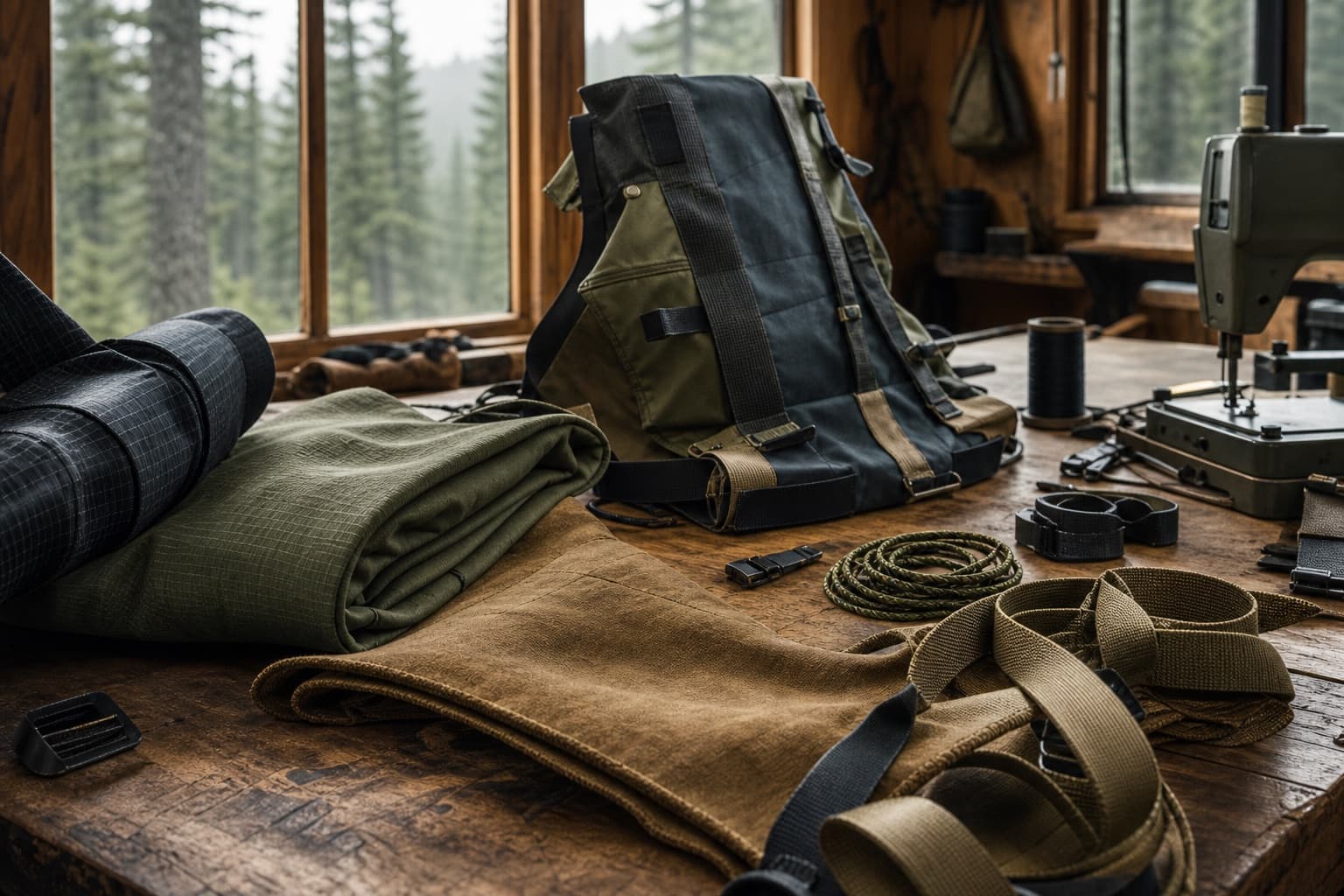
Portland sits in a sweet spot for gear makers: a long, famously wet season, the Gorge an hour east, Forest Park trails ten minutes from downtown, and a deep bench of home sewists who would rather patch a pack than replace it. That combination shapes what ends up on the cutting table here. Fabrics that shrug off wet brush, survive basalt scrambles, and dry out between storms earn their keep. Fabrics that only look technical do not.
This guide ranks the fabric types — not stores or brands — that consistently perform for making and repairing outdoor gear in the Willamette Valley and the wet side of the Cascades. Four criteria drove the rankings: abrasion resistance, weight for the job, waterproofing or water resistance, and repairability. That last one matters more than most guides admit. A fabric you can patch with a home machine and a hot iron will outlast a marginally tougher one that needs specialty equipment.
Whether the project is a new bikepacking frame bag, a re-bottomed daypack, or a tarp for shoulder-season trips up the Clackamas, these are the materials worth reaching for first.
Ripstop Nylon
Best for: Stuff sacks, tent flies, pack bodies, wind shells, and field repairs
The reinforcing grid woven into ripstop nylon stops small punctures from becoming long tears, which is exactly the failure mode blackberry vines and scree fields produce. In weights from featherlight to pack-grade, it covers more outdoor projects than any other single fabric. It sews cleanly, packs small, and takes coatings well.
- ✓Grid reinforcement arrests tears at the crosshatch instead of letting them run
- ✓Available in a huge range of weights, from tent-fly light to pack-body sturdy
- ✓Dries fast — a real virtue when gear gets soaked nine months of the year
- ✓Easy to repair with adhesive patches or a straight stitch on a home machine
Worth knowing: Uncoated ripstop is water-resistant at best, so plan on a coated version or a separate liner for anything that must stay dry.
Heavy-Denier Textured Nylon (Cordura-Class)
Best for: Pack bottoms, bike bags, and any panel that meets rock or pavement
The workhorse of pack bottoms and haul bags, this class of high-denier, air-textured nylon trades some weight for outstanding abrasion resistance. When a pack gets dragged over Columbia River Gorge basalt or wedged into a canoe for a week, this is the fabric that comes home with scuffs instead of holes.
- ✓Textured yarns give exceptional resistance to grinding abrasion
- ✓Standard choice for pack bottoms, tool rolls, and high-wear panels
- ✓Holds bar tacks and heavy webbing attachments without tearing out
- ✓Usually PU-backed, adding useful water resistance for free
Worth knowing: The heavier weights are stiff and thick at seams, so a home machine may struggle where more than three layers stack up.
ePTFE Waterproof-Breathable Laminate
Best for: Rain shells, mountaineering jackets, and gaiters
For garments that must keep steady Pacific Northwest drizzle out while letting sweat vapor escape on a climb, an expanded-PTFE membrane laminated to a woven face is still the benchmark. It is the fabric class behind most serious rain shells, and it is the difference between hiking through a storm and hiding from one.
- ✓Genuinely waterproof under sustained rain and pack-strap pressure
- ✓Breathable enough for aerobic effort in cool, damp air — Portland’s default weather
- ✓Three-layer versions are durable enough for brush and pack abrasion
- ✓Seam-taped construction produces shells that last many seasons
Worth knowing: It is expensive, requires seam tape and careful construction to stay waterproof, and is one of the hardest fabrics on this list to sew at home.
Waxed Canvas
Best for: Tool rolls, field bags, chore coats, and truck-bed gear
Waxed cotton duck is the heritage answer to Oregon weather, and it still earns a place on the modern gear bench. It sheds rain, stands up to firewood and fence posts, and develops a patina instead of wearing out. Nothing on this list is easier to repair in the field — a patch, a needle, and a tin of wax will fix almost anything.
- ✓Excellent abrasion resistance with a self-healing waxed surface
- ✓Re-waxable: water repellency can be restored indefinitely at home
- ✓Quiet in the woods, unlike crinkly synthetics
- ✓Ages beautifully, which keeps repaired gear in service longer
Worth knowing: It is heavy and slow to dry when fully soaked, so it suits day use and camp duty better than long backcountry carries.
Softshell
Best for: Climbing pants, trail jackets, and cool-weather riding layers
Softshell fabric — typically a stretch-woven face bonded to a brushed or fleece back — is built for the wet-but-not-pouring conditions that dominate the shoulder seasons here. It stretches with movement, blocks wind, sheds light rain, and breathes far better than a hardshell on a steep climb.
- ✓Stretch and recovery make it the most comfortable technical fabric to wear
- ✓Breathes well during high effort, cutting down on clammy layers
- ✓Sheds drizzle and wet snow with a DWR finish
- ✓Sews on a home machine more forgivingly than laminated shells
Worth knowing: It is not waterproof, so it will eventually wet through in the kind of all-day rain the valley serves up in winter.
Packcloth
Best for: Duffels, panniers, commuter bags, and pack side panels
Packcloth is the sensible middle weight of nylon gear fabrics: smoother and lighter than ballistic-class weaves, tougher than ripstop, usually with a polyurethane coating on the back. It is arguably the best all-around fabric for a first bag or pannier project.
- ✓Good balance of abrasion resistance and manageable weight
- ✓PU backing provides solid water resistance for everyday rain
- ✓Handles easily on a home machine, even through webbing and zippers
- ✓Smooth face resists snagging and cleans up with a damp cloth
Worth knowing: The PU coating will eventually hydrolyze and peel after many years, especially if gear is stored damp — a real hazard in an Oregon garage.
Silicone-Coated Nylon (Silnylon)
Best for: Tarps, ultralight shelters, pack liners, and rain skirts
Impregnating thin ripstop nylon with silicone on both sides produces a remarkably strong, slippery, fully waterproof fabric at a fraction of the weight of anything else here. It is the default choice for tarps and ultralight shelters, and a Clackamas or Salmon River shoulder-season trip is exactly where it shines.
- ✓Outstanding strength-to-weight ratio for shelters and tarps
- ✓Silicone penetrates the yarns, so the coating does not peel like PU
- ✓Sheds sustained rain and packs down to nearly nothing
- ✓Field-repairable with silicone seam sealer and a scrap patch
Worth knowing: Its slipperiness makes it genuinely tricky to cut and sew accurately, and seams must be sealed by hand since standard seam tape will not stick to silicone.
Oxford Nylon
Best for: Tent floors, gear bag bodies, organizer pouches, and bike bag liners
Oxford-weave nylon uses paired yarns in a basketweave, giving a slightly textured, tear-resistant cloth that is a longtime standard for tent floors and gear bags. It sits between ripstop and packcloth in character and is often the most affordable coated fabric on the shelf.
- ✓Basketweave construction resists tearing and seam slippage
- ✓Commonly PU-coated for dependable waterproofing on floors and bags
- ✓Budget-friendly, which makes it ideal for practice projects and liners
- ✓Takes hardware, grommets, and binding without fraying badly
Worth knowing: It is not as abrasion-resistant as heavy textured nylon, so keep it off pack bottoms and other grind points.
Athletic Mesh
Best for: Back panels, water bottle pockets, dump pockets, and ditty bags
Every good pack needs to breathe somewhere, and mesh is how it happens. Open knit meshes vent back panels and shoulder straps, while sturdier woven meshes make the stretch pockets that hold a wet rain shell where it can drip and dry. In a climate where gear is always damp, ventilation is a design requirement, not a luxury.
- ✓Moves air and sheds water instantly, helping gear dry between storms
- ✓Lightweight way to add pockets and organization without bulk
- ✓Stretchy varieties conform to loads and keep contents from rattling
- ✓Inexpensive and forgiving to sew when bound at the edges
Worth knowing: Mesh snags and abrades faster than any solid fabric here, so treat exterior mesh pockets as a wear item you will eventually replace.
PU-Coated Fabric
Best for: Dry bags, pack liners, pannier bottoms, and paddling gear
For the truly wet jobs — pack liners, dry-bag style rolls, bike bag bottoms — a heavily polyurethane-coated fabric delivers a fully waterproof barrier that can be sewn or, in some versions, welded. It is the unglamorous fabric that keeps a sleeping bag dry after a full day of Gorge rain.
- ✓Continuous coating makes the fabric itself waterproof, not just repellent
- ✓Seams can be taped or seam-sealed for submersion-grade protection
- ✓Wipes clean of mud and river silt in seconds
- ✓Available in heavy weights suited to bag bottoms and boat bags
Worth knowing: Coated fabrics do not breathe at all, so anything sealed inside damp will stay damp until you deal with it.
How to Choose
Match the Weight to the Job
Fabric weight — quoted in denier for the yarn or ounces per square yard (roughly GSM divided by 34) for the cloth — is the first decision. Shelters and stuff sacks live happily in light ripstops; everyday bags want a middle weight like packcloth or oxford; pack bottoms and anything that gets dragged deserve heavy textured nylon or waxed canvas. Overbuilding is the classic beginner mistake: a daypack made entirely of the heaviest fabric on the shelf will be needlessly stiff and heavy. Put the tough fabric only where wear actually happens and go lighter everywhere else.
Understand Coatings and Laminates
Water protection comes in three broad flavors. A DWR finish makes water bead and roll off but soaks through under pressure — fine for softshells and quick showers. A PU or silicone coating makes the fabric itself waterproof, which is what floors, dry bags, and tarps need. A breathable laminate like ePTFE keeps liquid water out while letting vapor escape, which is what worn-on-the-body rain gear needs. In the Portland climate it pays to be honest about the duty cycle: gear that sits out in all-day rain needs a coating or laminate, not just a finish.
Plan for Repairs Before You Cut
Repairability is a design choice. Fabrics with a smooth, coated back take adhesive patches well; textured and silicone-coated faces mostly do not. Simple woven constructions can be darned or patched with a home machine, while laminates want heat-applied tape and practiced hands. Buy a quarter yard extra of whatever you use for a project and label it — a matching patch three years later is worth far more than the few dollars it costs now. Damp-climate storage matters too: let gear dry fully before it goes in the bin, or coatings will fail early.
Care in a Wet Climate
Western Oregon humidity is hard on gear fabrics in storage, not just in use. Machine-wash coated synthetics cold and gentle, skip fabric softener (it kills DWR finishes), and restore water repellency with a wash-in or spray-on treatment once beading stops. Waxed canvas never sees the washing machine — brush it, wipe it, and re-wax it warm. Laminated shells benefit from a low tumble dry to reactivate the DWR. And everything, without exception, should be bone dry before winter storage.
Frequently Asked Questions
What is the best all-around fabric for a first outdoor gear project?
Packcloth or a mid-weight coated oxford nylon is the friendliest starting point. Both are affordable, water-resistant, and easy to feed through a home sewing machine, and mistakes are cheap to remake. Save the laminates and the heaviest textured nylons for a second or third project, once your seams are consistent.
Do I really need waterproof fabric, or is water-resistant enough for Portland?
It depends on how long the gear sits in the rain. For a commute or a two-hour hike, a DWR-finished or PU-backed fabric is usually plenty. For all-day trail use, boat trips, or anything that must protect a sleeping bag or electronics, choose a genuinely waterproof coated fabric or laminate and seal the seams — Portland rain is rarely intense, but it is relentless.
Can I sew these fabrics on a regular home sewing machine?
Most of them, yes. Ripstop, packcloth, oxford, mesh, and softshell all sew well with a fresh size 90/14 or 100/16 needle and quality polyester thread. Heavy textured nylon and waxed canvas are manageable in one or two layers but can stall a home machine where seams stack. Breathable laminates are the exception — they sew, but keeping them waterproof requires seam tape and patience.
How do I repair a torn rain jacket or tent fly?
For coated nylons, clean the area with alcohol, round the corners of an adhesive repair patch, and apply it to the coated side with firm pressure; a matching patch on the face side makes it tidy. Silicone-coated fabrics need a patch bonded with silicone seam sealer instead, since standard adhesives will not hold. Sewn repairs on waterproof gear should always get a bead of seam sealer over the stitching.
Why does waxed canvas rank so high when it is heavier than synthetics?
Because repairability and lifespan count. A waxed canvas bag can be patched, restitched, and re-waxed for decades, and it handles firewood, tools, and truck beds better than most synthetics. It is the wrong choice for a backpacking trip where every ounce matters, but for around-town and basecamp gear in a drizzly climate, it is hard to beat.